AFRICOM and Norwegian Military Leaders Strengthen Maritime Security Cooperation in Africa

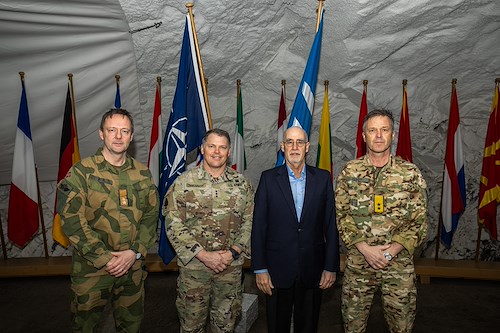
View Gallery Gallery contains 2 images × Photo 1 of 2 DCOM AFRICOM Photo 2 of 2 DCOM AFRICOM2 A delegation from U.S. Africa Command (AFRICOM) concluded a series of meetings with Norwegian military and civilian officials in Oslo, March 18-20, addressing maritime challenges that threaten international security interests and stability in Africa.U.S. Army Lt. Gen. John Brennan, AFRICOM’s Deputy Commander, and U.S. Ambassador Robert Scott, AFRICOM’s Deputy to the Commander for Civil-Military Engagement, engaged in discussions with Maj. Gen. Gjert Lage Dyndal, Deputy Commander of the Norwegian Joint Headquarters, and Maj. Gen. Joar Eidheim, Commander of Norwegian Special Operations Command. The delegation was also hosted by Norway’s Ministries of Defence and Trade,Industry and Fisheries, as well as the Norwegian Shipowners’ Association. “Our discussions with Norwegian leaders and industry experts reinforced the critical need for collaborative maritime security efforts in Africa,” said Brennan. “By working together with African partner forces to bolster their capacity, improve information sharing, and develop coordinated security strategies, we can effectively counter threats, ensure freedom of navigation, and foster mutual security interests in the region.“This visit underscores the important, longstanding relationship between our two nations’ militaries and sets the stage for new areas of cooperation with Norway in the future."Meetings focused on shared security priorities and strengthening joint efforts to counter maritime and violent extremist threats in Africa. Topics included:enhancing African partner capacity so nations can act as regional security leaders,improving information sharing and coordination to better identify, track and hold accountable, vessels engaged in criminal activities, including illegal, unreported, and unregulated fishing,developing coordinated strategies to successfully counter violent extremists, andcontingency planning and challenges faced by commercial ships operating near Africa.“Combating illegal, unreported and unregulated fishing is not just about protecting marine resources, it’s also about safeguarding economic prosperity and stability for African nations and the international community,” said Scott. “Our partnership with Norway is critical in strengthening maritime governance and empowering African partners to effectively manage their own waters.”This visit underscores the enduring partnership between the United States’ and Norway’s militaries and highlights a shared commitment to a free and rules-based maritime order, ensuring secure sea lines of communication and safeguarding freedom of navigation in accordance with international law.U.S. Africa Command is one of 11 U.S. Department of Defense combatant commands, with an area of responsibility covering 53 African nations, encompassing vast natural resources, a land mass three-and-a-half times the size of the U.S., and nearly 19,000 miles of coastland. Working alongside African and international partners, AFRICOM counters transnational threats, strengthens security forces, and responds to crises to advance U.S. national interests and promote regional security, stability, and prosperity.

Continue ReadingAFRICOM and Norwegian Military Leaders Strengthen Maritime Security Cooperation in Africa

AFRICOM Commander Signs Memorandum of Understanding with Algerian Ministry of National Defense

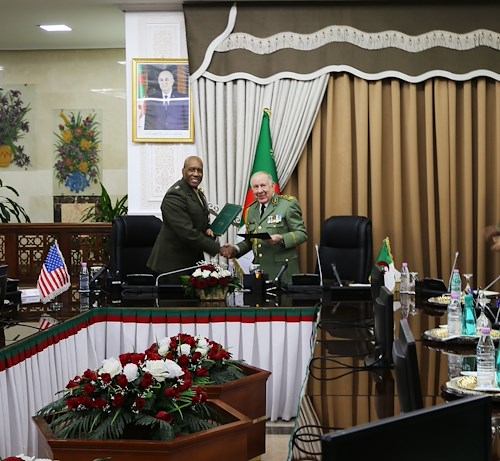
View Gallery Gallery contains 2 images × Photo 1 of 2 DZA Hand shake Photo 2 of 2 DZA Signing ALGIERS - U.S. Marine Corps Gen Michael Langley, Commander of U.S. Africa Command, conducted his third visit to Algeria on January 22, 2025, signing a Military Cooperation Memorandum of Understanding (MOU).The signing occurred together with the Algerian Minister Delegate to the Minister of National Defense and Chief of Staff to the National People’s Army, General Saïd Chanegriha. The visit and signing of the MOU between the United States and Algeria illustrate our two countries’ shared vision to strengthen regional and international peace and stability through strategic dialogue. U.S. Africa Command, one of 11 U.S. Department of Defense combatant commands with an area of responsibility covering 53 African states, more than 800 ethnic groups, over 1,000 languages, vast natural resources, a land mass that is three-and-a-half times the size of the U.S., and nearly 19,000 miles of coastland. Working alongside its partners, AFRICOM counters transnational threats and malign actors, strengthens security forces and responds to crises.For more information, visit our website (https://www.africom.mil), Facebook (https://www.facebook.com/AFRICOM/) and X/Twitter (@USAfricaCommand), or contact U.S. Africa Command Media Relations at [email protected]. Please also see the website (https://dz.usembassy.gov/), Facebook (https://www.facebook.com/USEmbassyAlgiers), and X/Twitter (@USEmbAlgiers) for the U.S. Embassy in Algiers.

Continue ReadingAFRICOM Commander Signs Memorandum of Understanding with Algerian Ministry of National Defense

What is a Combatant Command?

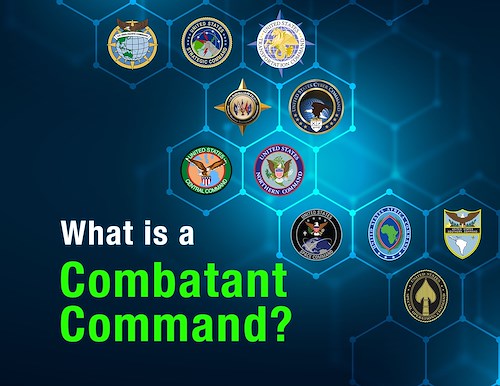
View Gallery Gallery contains 1 image × Photo 1 of 1 AFRICOM 101 What is a Combatant Command (small) When Americans think about their military, they typically picture branches and services like the Army, Navy, Air Force, Marines, Space Force, and Coast Guard. But there's another crucial part of our defense structure that's not well understood: Combatant Commands.A Combatant Command is a military organization that coordinates and directs operations in a specific area of responsibility. The Department of Defense splits their efforts around the world by region, and each Combatant Command is responsible for military operations in its assigned area.Here's a simple way to understand it: Imagine if every military branch operated independently in Africa. They'd each have their own chain of command, their own objectives, and their own ways of doing things. That would create confusion, waste resources, and reduce effectiveness. Instead, U.S. Africa Command (AFRICOM) serves as the central point of coordination for all U.S. military activities in Africa.There are two types of Combatant Commands:Geographic Commands cover specific regions:Functional Commands handle specific types of operations worldwide:Special Operations (SOCOM)Strategic Forces (STRATCOM)Transportation (TRANSCOM)Cyber (CYBERCOM)Space (SPACECOM)Each Combatant Command has a four-star general or admiral in charge who reports directly to the Secretary of Defense and the President. This commander has the authority to direct all military activities in their area or functional specialty, regardless of which service is conducting them.In today's world, military operations rarely involve just one service. When the U.S. responds to a crisis, it might need Army troops transported by Air Force planes, supported by Navy ships, with Marines providing security, all while the Space Force manages satellite communications. The Combatant Command ensures all these pieces work together smoothly.This structure also makes it easier to work with partner nations. Instead of dealing with multiple U.S. military organizations, allies can coordinate through a single command that understands their region and their needs. Beyond combat operations, these commands are involved in humanitarian assistance, disaster relief, military training with partner nations, and counter-terrorism efforts that promote stability and security.Through this unified approach, Combatant Commands ensure America's military power can be used effectively and efficiently wherever it's needed. They transform separate military services into a coordinated team with one clear mission.

Continue ReadingWhat is a Combatant Command?

US Defense Officials Conclude Visit to Benin and Côte d’Ivoire

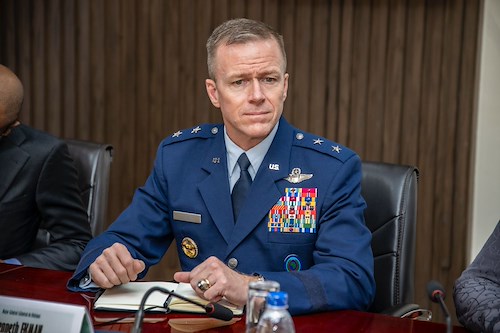
View Gallery Gallery contains 7 images × Photo 1 of 7 U.S. Africa Command Ms. Amanda Dory, Acting Under Secretary of Defense for Policy, Ms. Maureen Farrell, Deputy Assistant Secretary of Defense for African Affairs, and U.S. Air Force Maj. General Kenneth Ekman, U.S. Africa Command (AFRICOM) Coordination Element visited with Côte d'Ivoire’s Minister of Defense M. Téné Birahima Ouattara during a key diplomatic trip aimed at strengthening defense and security cooperation between the United States and Coastal West Africa. The AFRICOM Coordination Element (ACE) is part of the U.S. Africa Command (AFRICOM), a unified combatant command responsible for U.S. military activities across the African continent. The ACE supports AFRICOM's mission in West Africa by enhancing coordination, communication, and integration with various U.S. government agencies, host nations, and international partners. Photo 2 of 7 U.S. Africa Command Ms. Amanda Dory, Acting Under Secretary of Defense for Policy, Ms. Maureen Farrell, Deputy Assistant Secretary of Defense for African Affairs, and U.S. Air Force Maj. General Kenneth Ekman, U.S. Africa Command (AFRICOM) Coordination Element visited with Côte d'Ivoire’s Minister of Defense M. Téné Birahima Ouattara during a key diplomatic trip aimed at strengthening defense and security cooperation between the United States and Coastal West Africa. The AFRICOM Coordination Element (ACE) is part of the U.S. Africa Command (AFRICOM), a unified combatant command responsible for U.S. military activities across the African continent. The ACE supports AFRICOM's mission in West Africa by enhancing coordination, communication, and integration with various U.S. government agencies, host nations, and international partners. Photo 3 of 7 U.S. Africa Command Ms. Amanda Dory, Acting Under Secretary of Defense for Policy, Ms. Maureen Farrell, Deputy Assistant Secretary of Defense for African Affairs, and U.S. Air Force Maj. General Kenneth Ekman, U.S. Africa Command (AFRICOM) Coordination Element visited with Côte d'Ivoire’s Minister of Defense M. Téné Birahima Ouattara during a key diplomatic trip aimed at strengthening defense and security cooperation between the United States and Coastal West Africa. The AFRICOM Coordination Element (ACE) is part of the U.S. Africa Command (AFRICOM), a unified combatant command responsible for U.S. military activities across the African continent. The ACE supports AFRICOM's mission in West Africa by enhancing coordination, communication, and integration with various U.S. government agencies, host nations, and international partners. Photo 4 of 7 U.S. Africa Command Ms. Amanda Dory, Acting Under Secretary of Defense for Policy, Ms. Maureen Farrell, Deputy Assistant Secretary of Defense for African Affairs, and U.S. Air Force Maj. General Kenneth Ekman, U.S. Africa Command (AFRICOM) Coordination Element visited with Côte d'Ivoire’s Minister of Defense M. Téné Birahima Ouattara during a key diplomatic trip aimed at strengthening defense and security cooperation between the United States and Coastal West Africa. The AFRICOM Coordination Element (ACE) is part of the U.S. Africa Command (AFRICOM), a unified combatant command responsible for U.S. military activities across the African continent. The ACE supports AFRICOM's mission in West Africa by enhancing coordination, communication, and integration with various U.S. government agencies, host nations, and international partners. Photo 5 of 7 U.S. Africa Command Ms. Amanda Dory, Acting Under Secretary of Defense for Policy, Ms. Maureen Farrell, Deputy Assistant Secretary of Defense for African Affairs, and U.S. Air Force Maj. General Kenneth Ekman, U.S. Africa Command (AFRICOM) Coordination Element visited with Côte d'Ivoire’s Minister of Defense M. Téné Birahima Ouattara during a key diplomatic trip aimed at strengthening defense and security cooperation between the United States and Coastal West Africa. The AFRICOM Coordination Element (ACE) is part of the U.S. Africa Command (AFRICOM), a unified combatant command responsible for U.S. military activities across the African continent. The ACE supports AFRICOM's mission in West Africa by enhancing coordination, communication, and integration with various U.S. government agencies, host nations, and international partners. Photo 6 of 7 U.S. Africa Command Ms. Amanda Dory, Acting Under Secretary of Defense for Policy, Ms. Maureen Farrell, Deputy Assistant Secretary of Defense for African Affairs, and U.S. Air Force Maj. General Kenneth Ekman, U.S. Africa Command (AFRICOM) Coordination Element visited with Côte d'Ivoire’s Minister of Defense M. Téné Birahima Ouattara during a key diplomatic trip aimed at strengthening defense and security cooperation between the United States and Coastal West Africa. The AFRICOM Coordination Element (ACE) is part of the U.S. Africa Command (AFRICOM), a unified combatant command responsible for U.S. military activities across the African continent. The ACE supports AFRICOM's mission in West Africa by enhancing coordination, communication, and integration with various U.S. government agencies, host nations, and international partners. Photo 7 of 7 U.S. Africa Command Ms. Amanda Dory, Acting Under Secretary of Defense for Policy, Ms. Maureen Farrell, Deputy Assistant Secretary of Defense for African Affairs, and U.S. Air Force Maj. General Kenneth Ekman, U.S. Africa Command (AFRICOM) Coordination Element visited with Côte d'Ivoire’s Minister of Defense M. Téné Birahima Ouattara during a key diplomatic trip aimed at strengthening defense and security cooperation between the United States and Coastal West Africa. The AFRICOM Coordination Element (ACE) is part of the U.S. Africa Command (AFRICOM), a unified combatant command responsible for U.S. military activities across the African continent. The ACE supports AFRICOM's mission in West Africa by enhancing coordination, communication, and integration with various U.S. government agencies, host nations, and international partners. Ms. Amanda Dory, Acting Under Secretary of Defense for Policy, Ms. Maureen Farrell, Deputy Assistant Secretary of Defense for African Affairs, and U.S. Air Force Maj. General Kenneth Ekman, U.S. Africa Command (AFRICOM) Coordination Element concluded their visit to Benin and Côte d'Ivoire, a key diplomatic trip aimed at strengthening defense and security cooperation between the United States and Coastal West Africa.The visit featured high-level engagements with senior defense officials and military leaders. The trip reinforced the enduring commitment from U.S. Department of Defense and AFRICOM to regional stability and security in West Africa.The U.S. Delegation began the visit in Cotonou, Benin, where they met with several senior leaders, including Minister of Finance Romuald Wadagni, Minister of Foreign Affairs Olushegun Adjadi Bakari, Minister of Defense Fortunet Nouatin, and Chief of Defense Staff Major General Fructueux Gbaguidi. Alongside the U.S. delegation discussed opportunities to deepen defense cooperation, enhance regional security frameworks, and address complex security challenges such as violent extremism, maritime security, and transnational crime."Benin is an essential partner in West Africa," said Maj. General Kenneth Ekman, ACE lead. "We are committed to building on our mutual efforts to advance regional security and stability."Later in the week, the U.S. delegation traveled to Abidjan, Côte d'Ivoire, where they met with Minister of Defense Tene Ouattara, Minister Director of the President’s Cabinet Fidele Sarassoro, and other senior Ivoirian security officials for in-depth talks on strengthening bilateral defense cooperation, countering violent extremism, and securing the region’s maritime trade routes. These discussions were supported by the leadership of Maj. General Kenneth Ekman, who reinforced the importance of close collaboration between the two nations militaries."Côte d'Ivoire plays a vital role in the security of West Africa," said Maj. General Ekman. "We are committed to our growing partnership which is essential for addressing shared security challenges."Throughout the visit, the U.S. delegation emphasized the importance of continued engagement with African partners to tackle shared security challenges. Key topics included countering terrorism, maritime piracy, and regional instability, as well as building sustainable security capacity in both Benin and Côte d'Ivoire. The visit highlighted the shared resolve to develop innovative strategies to address these threats and ensure a secure, stable, and prosperous future for the region.The AFRICOM Coordination Element (ACE) is part of the U.S. Africa Command (AFRICOM), a unified combatant command responsible for U.S. military activities across the African continent. The ACE is responsible for supporting AFRICOM's mission in West Africa by enhancing coordination, communication, and integration with various U.S. government agencies, host nations, and international partners.U.S. Africa Command is one of seven U.S. Department of Defense geographic combatant commands. The command is responsible for all U.S. military operations, exercises, and security cooperation, and conducts crisis response on the African continent to advance U.S. interests and promote regional security, stability, and prosperity.For more information, visit our website, Facebook and Twitter pages, or contact U.S. Africa Command Media Relations at [email protected].
Continue ReadingUS Defense Officials Conclude Visit to Benin and Côte d’Ivoire

AFRICOM Takes Steps to Combat Human Trafficking and Child Soldiering

View Gallery Gallery contains 1 image × Photo 1 of 1 africom_logo_jpgrelease_thumbnail The Department of Defense’s Combating Trafficking in Persons (CTIP) Program Management Office (PMO) conducted a site visit to U.S. Africa Command (AFRICOM), aiming to address the significant challenges of human trafficking, including child soldiering, across Africa.Human trafficking in Africa manifests in various forms, such as sex trafficking, forced labor, and child soldiering. According to the U.S. State Department and the 2023 Index of Organized Crime, nations like Eritrea, Libya, and Sudan rank among the highest globally for trafficking activities. These activities often serve as funding mechanisms for organized crime syndicates and terrorist organizations. Child labor remains a critical issue, affecting 92 million children across Africa, with one in five children involved in forced labor. Moreover, nine of the 17 countries listed on the 2024 Child Soldier Prevention List are in Africa, underscoring the gravity of this form of exploitation.  During the site visit, CTIP representatives engaged AFRICOM personnel from various offices, including the Inspector General, J1, J3, and Women, Peace, and Security (WPS) staff. Key outcomes included actionable recommendations to enhance anti-trafficking efforts:- Awareness Initiatives: Implementing informational campaigns, such as displaying CTIP posters in public spaces like commissaries and recreational facilities, to raise awareness about trafficking and reporting procedures.- Policy Enhancements: Integrating CTIP guidelines into AFRICOM’s General Order #1 and foreign clearance processes.- Collaborative Programs: Establishing joint initiatives with partner nations to combat trafficking effectively.- Leadership Guidance: Developing a Leadership Guide to educate command staff on trafficking issues and their operational implications. Following the visit, AFRICOM Chief of Staff Major General Trollinger appointed Daniel Perkins as the CTIP Program Manager, signaling a commitment to institutionalizing anti-trafficking initiatives across the region.The Child Soldiers Prevention Act (CSPA) of 2008 defines child soldiers as any person under 18 years of age who takes direct part in hostilities as a member of governmental armed forces, has been compulsorily recruited into governmental armed forces, or has been recruited or used in hostilities by armed forces distinct from the armed forces of a state. "Child soldiering often results in future adversaries of the U.S. and its allies/partners. Each child soldier that AFRICOM is able to assist in preventing is not only one less possible future combatant but also a partnership opportunity benefiting local governments in the prevention of increasing regional violence, including coups." said Daniel Perkins, Combating Trafficking in Persons Program Manager, AFRICOM.Preventing child soldier recruitment is not only a humanitarian priority but also a strategic objective. AFRICOM views these efforts as critical to regional stability, reducing potential future adversaries, and fostering partnerships with local governments.AFRICOM’s initiatives align with the U.S. Department of Defense’s 3D approach—Diplomacy, Development, and Defense. Through partnerships with African governments, AFRICOM aims to disrupt trafficking networks, protect vulnerable populations, and promote regional security and prosperity. Daniel Perkins, AFRICOM’s CTIP Program Manager, emphasizes, “Each child AFRICOM helps prevent from becoming a soldier represents one less future combatant and one more opportunity for peace.”For further information about AFRICOM’s efforts and ways to contribute, visit the https://www.africom.mil/

Continue ReadingAFRICOM Takes Steps to Combat Human Trafficking and Child Soldiering